
Blog · 2 articles
Fire Safety
The fire side of the blog: the fire risk assessment that is the starting point of the fire duty, and the ignition sources assessment that finds the spark before the fire. The triangle, the five steps, the permit, and the interface — the fire duty in the articles.
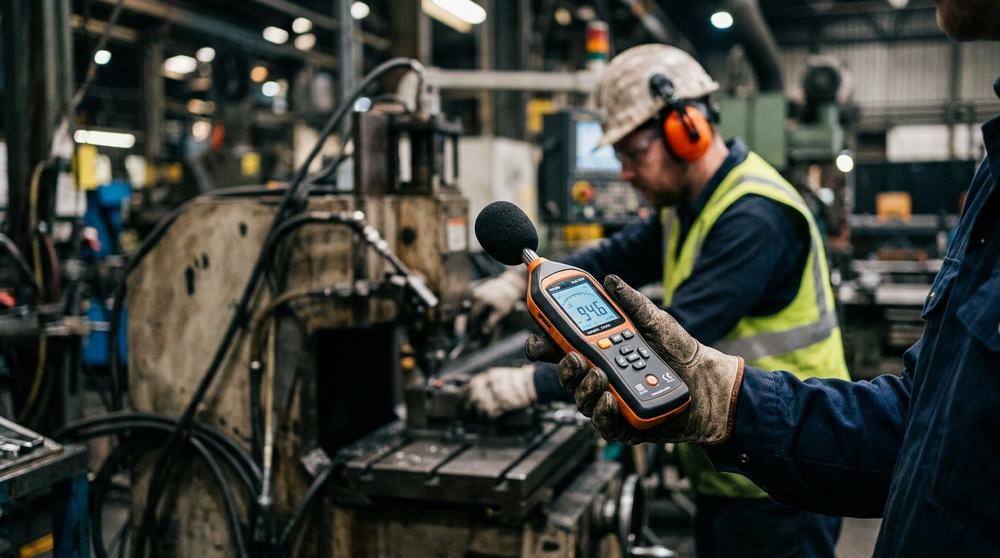
The fire side of the blog is the triangle and the five steps. The fire risk assessment is the starting point of the fire duty: identify the fire hazards (the ignition source, the fuel, the oxygen), identify the people at risk, evaluate and control, record and brief, review on the change. The ignition sources assessment is the one side of the triangle: the hot work, the electrical, the static, the hot surface — the spark found before the fire, and the interface that is the ignition at the fuel. The articles are the fire duty, written so the responsible person can walk them.
The two articles: the fire risk assessment is the five steps, from the starting point (the walk and the triangle) to the review. The ignition sources assessment is the spark found before the fire: the sources, the walk, the control, the permit, and the interface.
Every article on this page is written the same way: the working method first, the example that holds, and the mistake that fails the review. The professional version — the sign-off, the audit, the training — runs through umer-hse.pro.
The legal starting point in England and Wales is the Regulatory Reform (Fire Safety) Order 2005, and it puts the whole duty on the responsible person: assess the risk, put the measures in place, plan for the escape and the rescue, give the people at risk the information and the instruction, and review when anything changes. Scotland runs the Fire Safety (Scotland) Regulations 2006 on the same structure, and Northern Ireland has its own equivalent order. The US comparison is a different shape but the same logic: OSHA 1910.157 requires a fire prevention program, 1910.39 the emergency action plan, and 1910.40 the fire patrol. One sentence covers both systems — assess, control, plan, train, and record.
A full fire risk assessment is the norm in most workplaces: the shop floor, the warehouse, the kitchen, the plant room, the office. The written statement becomes compulsory at five or more employees, but the assessment itself is a duty from employee number one. The scope is the whole building, not just the trading area — the storage, the plant room, the loading bay, and the interface with the neighbour. The areas that fail audits most often are the ones nobody thinks are a fire risk: the hot work stations, the EV charging points, the battery storage, the cooking, and the waste compactor.
In practice the assessment is a walk, and the walk runs on the triangle. Room by room: the ignition sources, the fuels, the oxygen. Then the people at risk — the crew, the visitors, the night shift, the disabled, the contractors. Then the measures already in place, and the gap between what is there and what is needed. The review date is not an annual habit; it is a trigger list — a change of process, a new substance, a layout change, an incident, or a finding from the inspection. The two articles on this page carry the two documents that matter most: the assessment itself, and the ignition sources assessment, which is the side of the triangle most audits find missing.
- The assessment covers the whole building — the plant room, the storage, the loading bay, not just the trading area
- Review runs on the triggers — the change of process, the new substance, the incident — not the calendar date
- Hot work, the EV charging and the cooking are the top three missed ignition sources
- The written statement is compulsory at five or more employees; the assessment itself is a duty from the first
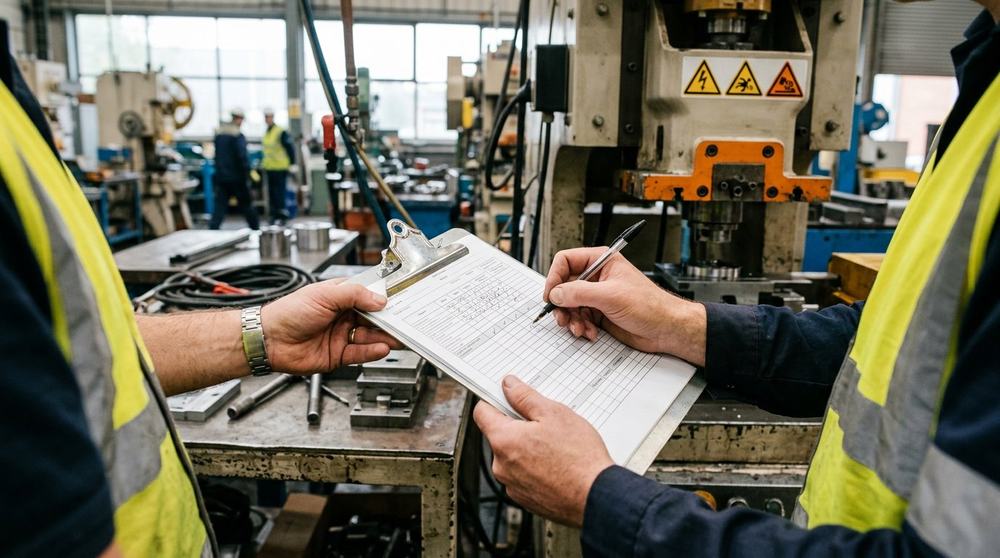
2 articles
The Fire Safety articles
Fire Risk Assessment: The Starting Point, and the Five Steps
How to do a fire risk assessment: the starting point, the five steps, the ignition source, the fuel, the oxyge
Fire Safety · 1 September 2026Ignition Sources Assessment: Finding the Spark Before the Fire
Ignition sources assessment, in working form: the hot work, the electrical, the static, the hot surface, the o
Safety disclaimer
The articles on this blog are practical guidance, built to the UK baseline with the US equivalents named in the text. They do not replace a competent person assessment for high-risk work, a statutory assessment, or the advice of your insurer. Where a duty has legal force — the fire risk assessment, the risk assessment, the COSHH register — the responsible person owns it. Read the article as the preparation, and take the sign-off from the competent person.