
Article · Fire Safety · 1 September 2026
Ignition Sources Assessment: Finding the Spark Before the Fire
The ignition source is the spark before the fire, and the assessment is the one that finds the spark. The hot work, the electrical fault, the static, the hot surface, the friction, the one that is the ignition — the assessment that is the line by line, and the line is the spark found before the fire. This article is the ignition sources assessment in working form: the sources, the walk, the control, and the permit — the assessment that is the fire not the fire.
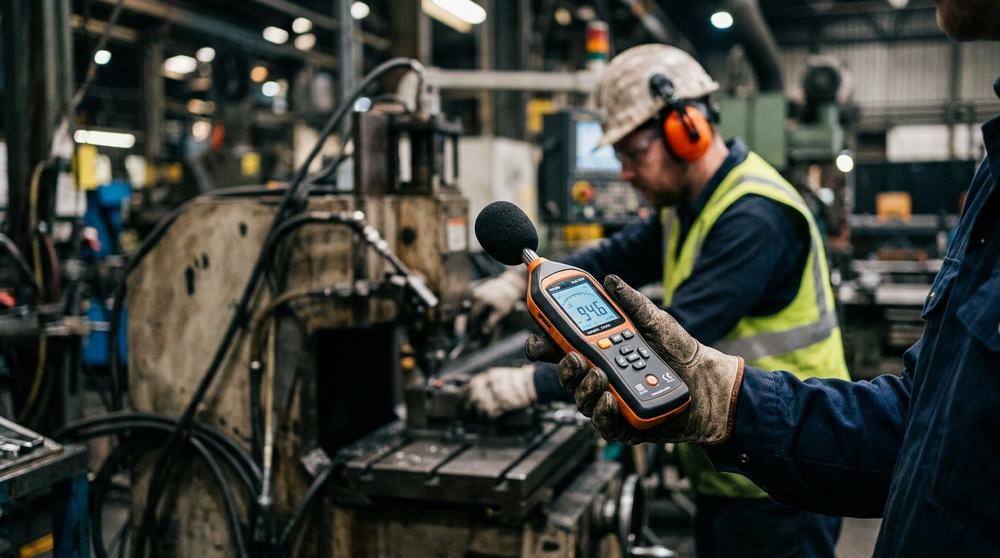
The ignition source: the one that is the spark
The ignition source is the one side of the fire triangle, and the triangle is the fire. The ignition source is the spark, the heat, the flame, the one that is the ignition of the fuel. The fuel is the one that is the burn, the oxygen is the one that is there, and the ignition source is the one that is the start. The assessment is the ignition source, and the ignition source is the spark found before the fire.
The ignition source is the family: the hot work (the weld, the cut, the grind, the torch), the electrical (the fault, the arc, the overheat, the one that is the spark), the static (the one that is the transfer, the one that is the ground), the hot surface (the one that is the engine, the one that is the machine), the friction (the one that is the bearing, the one that is the belt), the open flame (the one that is the torch, the one that is the heater). The family is the line, and the line is the spark.
The assessment is the ignition source, and the ignition source is the walk: the hot work at the point, the electrical at the point, the static at the point, the hot surface at the point. The walk is the assessment, and the assessment is the spark found before the fire.
The walk: the ignition source by the point
The ignition sources assessment is the walk, and the walk is the point by point. The hot work point is the weld, the cut, the grind — the one that is the permit, the one that is the fire watch, the one that is the combustibles removed. The electrical point is the panel, the motor, the cable — the one that is the fault, the one that is the overheat, the one that is the maintenance. The static point is the transfer, the tank, the powder — the one that is the ground, the one that is the bond.
The walk is the point by point, and the point is the ignition source. The assessment is the walk, and the walk is the line by line: the hot work, the electrical, the static, the hot surface, the friction, the open flame. The line is the spark, and the spark is the fire not the fire. The walk is the assessment, and the assessment is the fire duty.
The walk is the interface: the ignition source and the fuel, the one that is the proximity. The hot work at the solvent store is the ignition source at the fuel, and the fuel is the fire. The interface is the line, and the line is the control — the separation, the barrier, the one that is the ignition not the fuel.
The control: the permit, the watch, the removal
The control is the line, and the line is the permit. The hot work permit is the one that is the authorisation: the hot work, the one that is the fire watch, the one that is the combustibles removed, the one that is the extinguisher at hand, the one that is the post-work watch. The permit is the line, and the line is the hot work that is the controlled, not the uncontrolled.
The electrical maintenance is the one that is the fault found: the thermal imaging, the one that is the overheat, the one that is the repair. The maintenance is the line, and the line is the electrical that is the safe. The static control is the one that is the ground and the bond: the transfer that is the grounded, the tank that is the bonded, the one that is the static not the spark.
The control is the removal: the ignition source removed (the hot work not the hot work, the electrical not the fault), the separation (the ignition not the fuel), the one that is the fire not the fire. The control is the line, and the line is the fire duty.
The interface: the ignition source and the fuel
The interface is the line, and the line is the proximity. The ignition source at the fuel is the fire, and the fire is the one that is the interface. The interface is the walk, and the walk is the one that is the proximity found: the hot work at the solvent, the electrical at the dust, the static at the powder, the one that is the ignition at the fuel.
The interface is the control: the separation (the barrier, the distance, the one that is the ignition not the fuel), the removal (the fuel removed, the one that is the quantity, the one that is the storage), the one that is the fire not the fire. The interface is the line, and the line is the assessment — the ignition source assessment that is the interface found, and the interface found is the fire not the fire.
The assessment is the interface, and the interface is the fire duty. The ignition source assessment is the walk, the control, the interface — the line by line, and the line is the spark found before the fire.
The record and the review
The record is the line, and the line is the document. The ignition sources assessment is the record: the ignition source, the point, the control, the permit, the review date. The record is the one that is the FRA, the one that is the fire service and the inspector read. The record is the line, and the line is the duty.
The review is the one that is the alive: the calendar, the change. The new hot work, the new electrical, the new static, the one that is the ignition source that is the new. The review that is the change is the review that is the assessment updated, and the updated is the duty. The record and the review are the line, and the line is the assessment that is the alive — the spark found before the fire, and the fire not the fire.
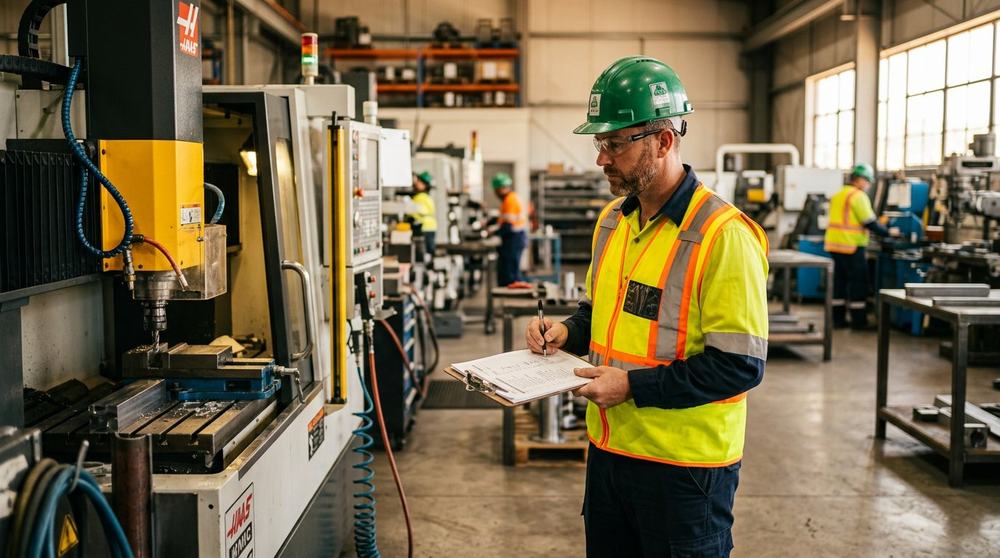
What Are Potential Ignition Sources? (the Full List)
The potential ignition sources run four families. The hot work: the welding, the grinding, the cutting, the brazing, the hot tapping — the permit, the watch, the radius. The electrical: the faulty wiring, the un-rated equipment, the static on the transfer, the spark from the non-Ex motor in the zone. The hot surface: the engine, the exhaust, the process line, the furnace — the one that does not flash but glows. The non-essential: the match, the lighter, the mobile phone, the non-Ex camera in the classified area. The assessment is the walk that finds the four, the permit that controls the hot work, the rating that kills the electrical, and the record that keeps it honest.
Is a Potential Ignition Source a Hazard or a Risk?
The potential ignition source is a hazard — specifically the ignition-source side of the fire triangle (the source, the fuel, the oxygen). The risk is the possibility that the source ignites the fuel in the atmosphere — the likelihood against the severity, the score on the matrix. The same source, two risks: the welding in the inerted vessel is the low risk, the same welding in the solvent-wet room is the high risk. The assessment moves the risk; the hazard stays until it is eliminated or controlled. The question the exam asks is the one that separates the two: the source is the hazard, the possibility is the risk.
Need the sign-off, not just the article?
The article is the preparation; the sign-off is the professional. For the statutory assessments, the audits, the ISO 45001 implementation and the training that comes with them, ask Muhammad Umer — 8+ years across Iraq, KSA and Pakistan, and the programme runs through umer-hse.pro. One message gets the written scope.
Common questions
Ignition Sources Assessment — answered
What is an ignition source assessment?
The assessment of the ignition sources at the workplace: the hot work, the electrical fault, the static, the hot surface, the friction, the open flame. The assessment is the walk by the point, the control by the line (the permit, the maintenance, the ground), and the interface (the ignition source and the fuel). The assessment is the spark found before the fire, and the element of the fire risk assessment.
What are the common ignition sources in the workplace?
The family: the hot work (the weld, the cut, the grind, the torch), the electrical (the fault, the arc, the overheat), the static (the transfer, the tank, the powder), the hot surface (the engine, the machine), the friction (the bearing, the belt), the open flame (the torch, the heater). The family is the line, and the line is the spark.
How do you control an ignition source?
By the hierarchy: the removal (the hot work not the hot work, the fault repaired), the separation (the barrier, the distance, the ignition not the fuel), the control (the permit, the fire watch, the combustibles removed, the extinguisher at hand). The control is the line, and the line is the fire not the fire.
What is a hot work permit?
The authorisation for the hot work: the weld, the cut, the grind, the torch. The permit is the line — the fire watch, the combustibles removed, the extinguisher at hand, the post-work watch. The hot work without the permit is the hot work that is the uncontrolled, and the uncontrolled is the fire.
What is the difference between an ignition source and a fuel?
The side of the triangle. The ignition source is the spark, the heat, the flame — the one that is the start. The fuel is the paper, the solvent, the wood — the one that is the burn. The fire is the three (the ignition source, the fuel, the oxygen), and the control is the removal of one side. The ignition source assessment is the one side, and the one side is the spark found before the fire.
Keep reading
Related articles
Fire Risk Assessment: The Starting Point, and the Five Steps
How to do a fire risk assessment: the starting point, the five steps, the ignition source, the fuel, the oxyge
Workplace Safety · 19 August 2026COSHH Principles: The 5 Rules That Keep the Chemical Side Honest
The COSHH principles, in working form: identify the substance, assess the exposure, control in hierarchy order
Oil & Gas · 29 August 2026The H2S Contingency Plan: The Response Before the Alarm
The H2S contingency plan, in working form: the detection, the alarm, the evacuation, the rescue, the medical,
THE HEALTH AND SAFETY is an education and knowledge network. The articles are free and open; the professional assessments and the training run through umer-hse.pro.
Safety disclaimer
The articles on this blog are practical guidance, built to the UK baseline with the US equivalents named in the text. They do not replace a competent person assessment for high-risk work, a statutory assessment, or the advice of your insurer. Where a duty has legal force — the fire risk assessment, the risk assessment, the COSHH register — the responsible person owns it. Read the article as the preparation, and take the sign-off from the competent person.